Wild Thunder Font: Bold Typography for Impact
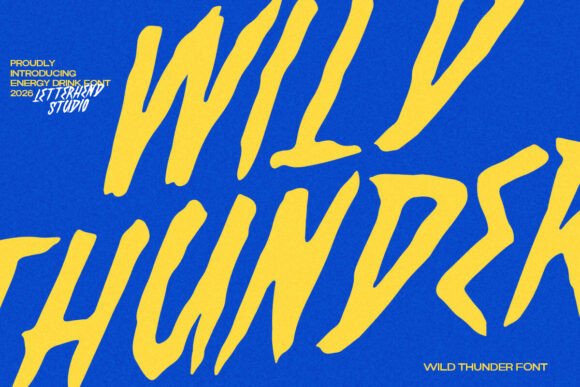
When a design project demands immediate attention and unapologetic energy, standard sans-serif typefaces often fall short of the mark. Wild Thunder hits like a lightning strike—bold, fast, and full of raw energy that transforms static layouts into dynamic visual experiences. This hand-drawn brush style brings sharp angles, jagged strokes, and a punchy rhythm that feels loud even when it’s silent. Perfect for streetwear, posters, sports branding, album covers, and anything that needs attitude, Wild Thunder doesn’t whisper; it roars. For graphic designers and brand strategists, integrating this typeface is less about filling space and more about establishing a dominant visual hierarchy that commands viewer engagement from the first glance.
The Role of Expressive Typography in Brand Identity
In modern visual design, typography serves as the primary vehicle for emotional communication. While clean, geometric fonts convey stability and corporate professionalism, expressive display fonts like Wild Thunder bridge the gap between messaging and feeling. The irregular, hand-crafted nature of the letterforms introduces a human element that digital perfection often lacks. This authenticity is crucial for brands targeting younger demographics or niche markets where polish is secondary to passion.
From a branding perspective, this font acts as a powerful differentiator. In a saturated market, distinct typographic choices help cement brand recall. When used consistently across touchpoints, the aggressive yet artistic stroke quality becomes synonymous with the brand's voice. It signals confidence and movement, making it an ideal candidate for companies in automotive, extreme sports, music entertainment, and urban fashion sectors. However, successful implementation requires balancing its intensity with functional design elements to ensure the overall identity remains cohesive rather than chaotic.
Practical Applications Across Creative Projects
Versatility within a specific aesthetic niche is what separates a novelty font from a professional design asset. Wild Thunder excels in environments where high impact is non-negotiable. Designers can leverage this typeface effectively in several key areas:
- Sports and Event Branding: Use for team logos, jersey numbers, and tournament posters where dynamism and competition are central themes.
- Streetwear and Merchandise: Apply to t-shirts, hoodies, and caps where the texture mimics graffiti or skate culture aesthetics.
- Digital Marketing Assets: Create thumb-stopping social media graphics and YouTube thumbnails that cut through algorithmic noise.
- Editorial and Album Art: Feature on magazine covers or vinyl packaging to set an immediate tonal expectation before the content is consumed.
- Web Design Headers: Utilize in hero sections for landing pages to reduce bounce rates by instantly communicating site purpose and vibe.
Best Practices for Integration and Visual Hierarchy
While Wild Thunder provides exceptional stylistic value, it requires disciplined application to maintain professional presentation standards. Because the font carries significant visual weight, it should primarily function as a display typeface rather than body copy. Readability is paramount in UX design and print media; therefore, reserve this asset for headlines, call-to-action buttons, and short impactful phrases.
Pairing is equally critical to achieving a polished result. Contrast the jagged, organic energy of Wild Thunder with a neutral, highly legible sans-serif or monospaced font for supporting text. This juxtaposition creates a sophisticated tension that guides the eye naturally through the layout. Additionally, consider the color palette carefully. High-contrast combinations, such as neon on dark backgrounds or stark black and white, amplify the font’s inherent electricity. Avoid overly complex textures behind the text, as the detailed brush strokes need negative space to breathe and retain their definition at various scales.
Evaluating Creative Assets for Long-Term Value
Before adding any new typeface to your design workflow, assess its technical and aesthetic longevity. Ensure the file includes necessary OpenType features, alternate characters, and proper kerning pairs to avoid manual adjustments during tight deadlines. A quality creative asset should streamline production, not hinder it. Furthermore, verify licensing terms for commercial use across digital and print platforms to protect client projects legally.
Ultimately, the decision to use bold, expressive typography should align with strategic communication goals. Wild Thunder offers a unique solution for projects requiring visceral impact, but its power lies in restraint and context. By treating this font as a specialized tool within a broader typographic system, designers can elevate their work from merely decorative to strategically effective. Thoughtful selection and precise execution of such distinctive assets ensure that the final design not only captures attention but also sustains meaningful engagement through superior visual craftsmanship.